



Install Steam
sign in
|
language
简体中文 (Simplified Chinese)
繁體中文 (Traditional Chinese)
日本語 (Japanese)
한국어 (Korean)
ไทย (Thai)
Български (Bulgarian)
Čeština (Czech)
Dansk (Danish)
Deutsch (German)
Español - España (Spanish - Spain)
Español - Latinoamérica (Spanish - Latin America)
Ελληνικά (Greek)
Français (French)
Italiano (Italian)
Bahasa Indonesia (Indonesian)
Magyar (Hungarian)
Nederlands (Dutch)
Norsk (Norwegian)
Polski (Polish)
Português (Portuguese - Portugal)
Português - Brasil (Portuguese - Brazil)
Română (Romanian)
Русский (Russian)
Suomi (Finnish)
Svenska (Swedish)
Türkçe (Turkish)
Tiếng Việt (Vietnamese)
Українська (Ukrainian)
Report a translation problem


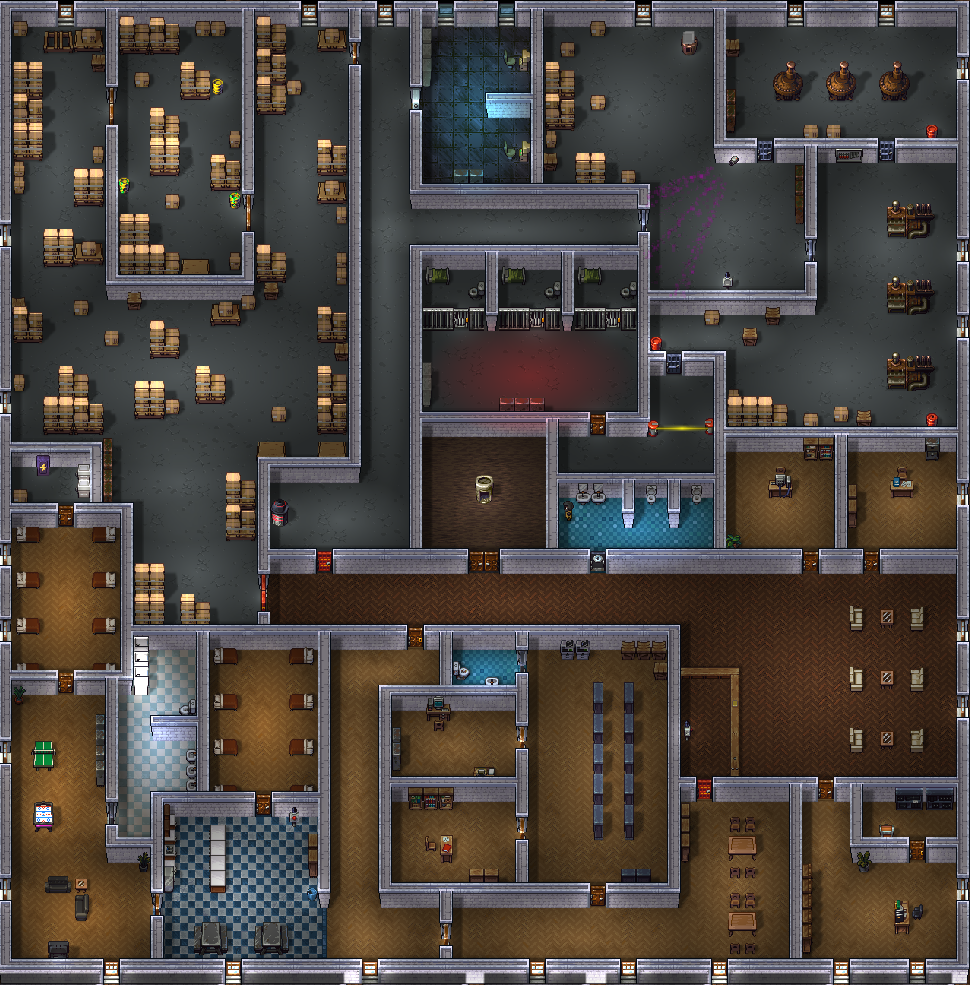
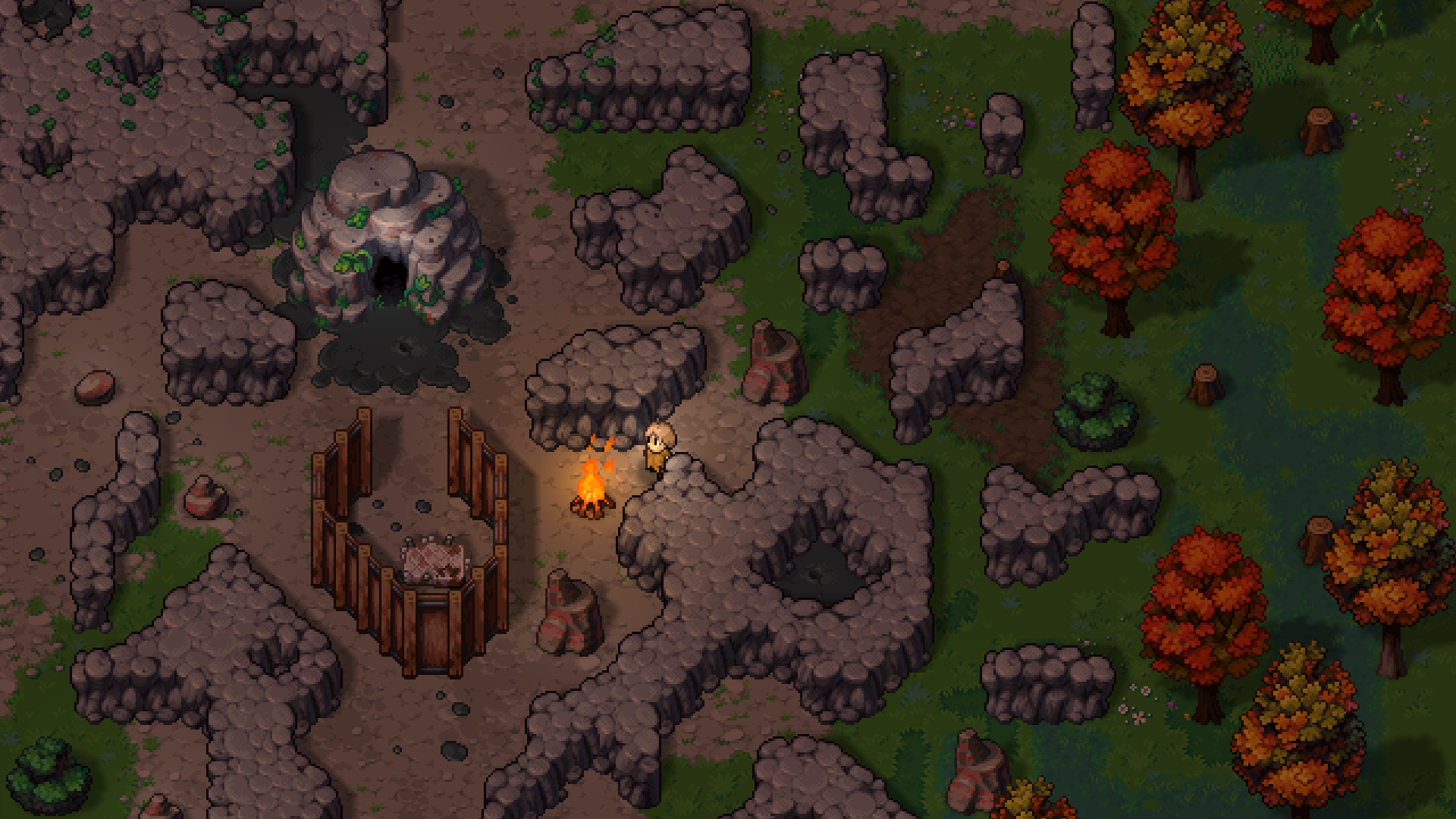 It used to be very time-consuming to construct a geometrically detailed environment like this. Now it's super-easy! As with SOR1, our level editing tools will also be available to players.
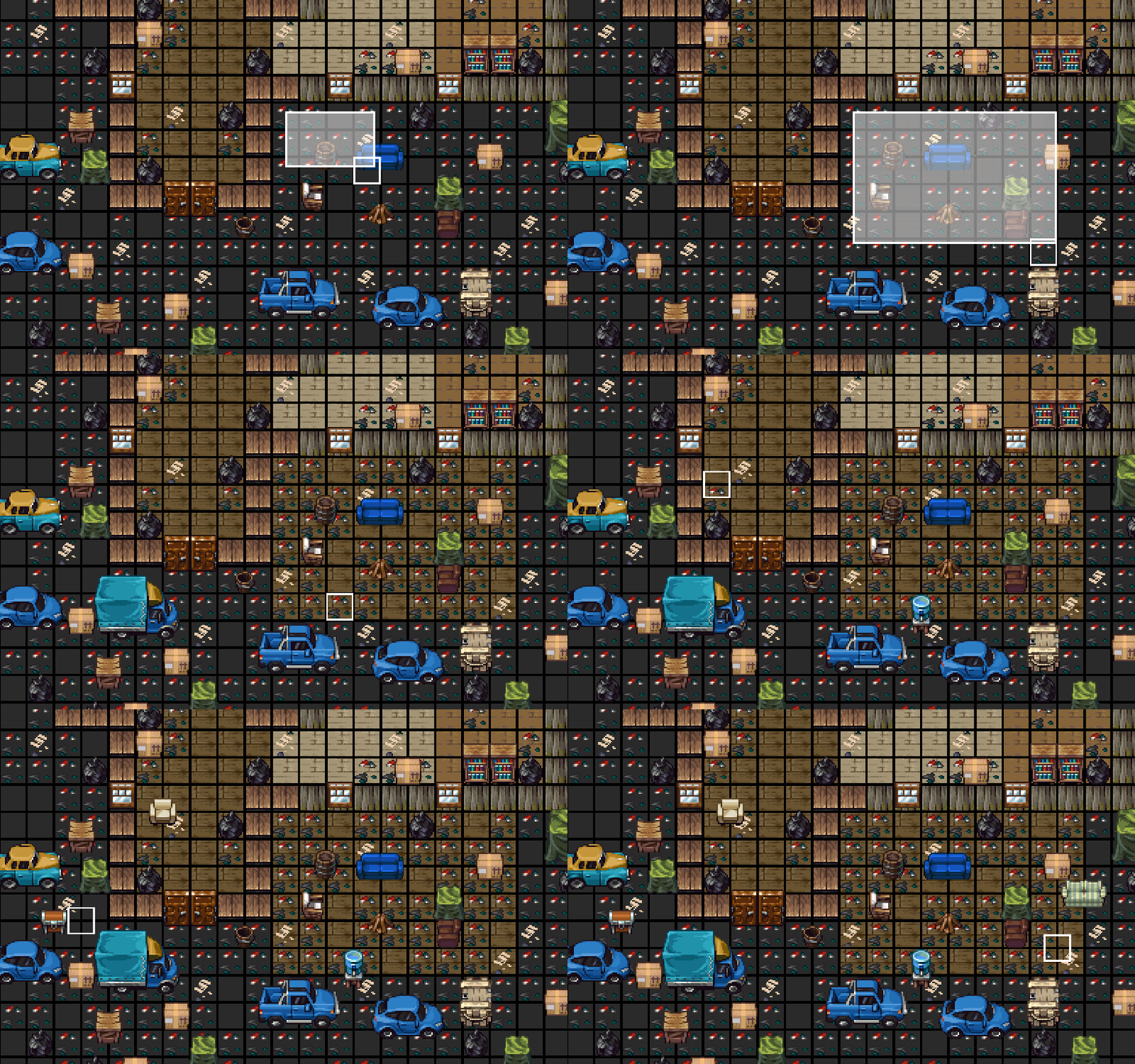
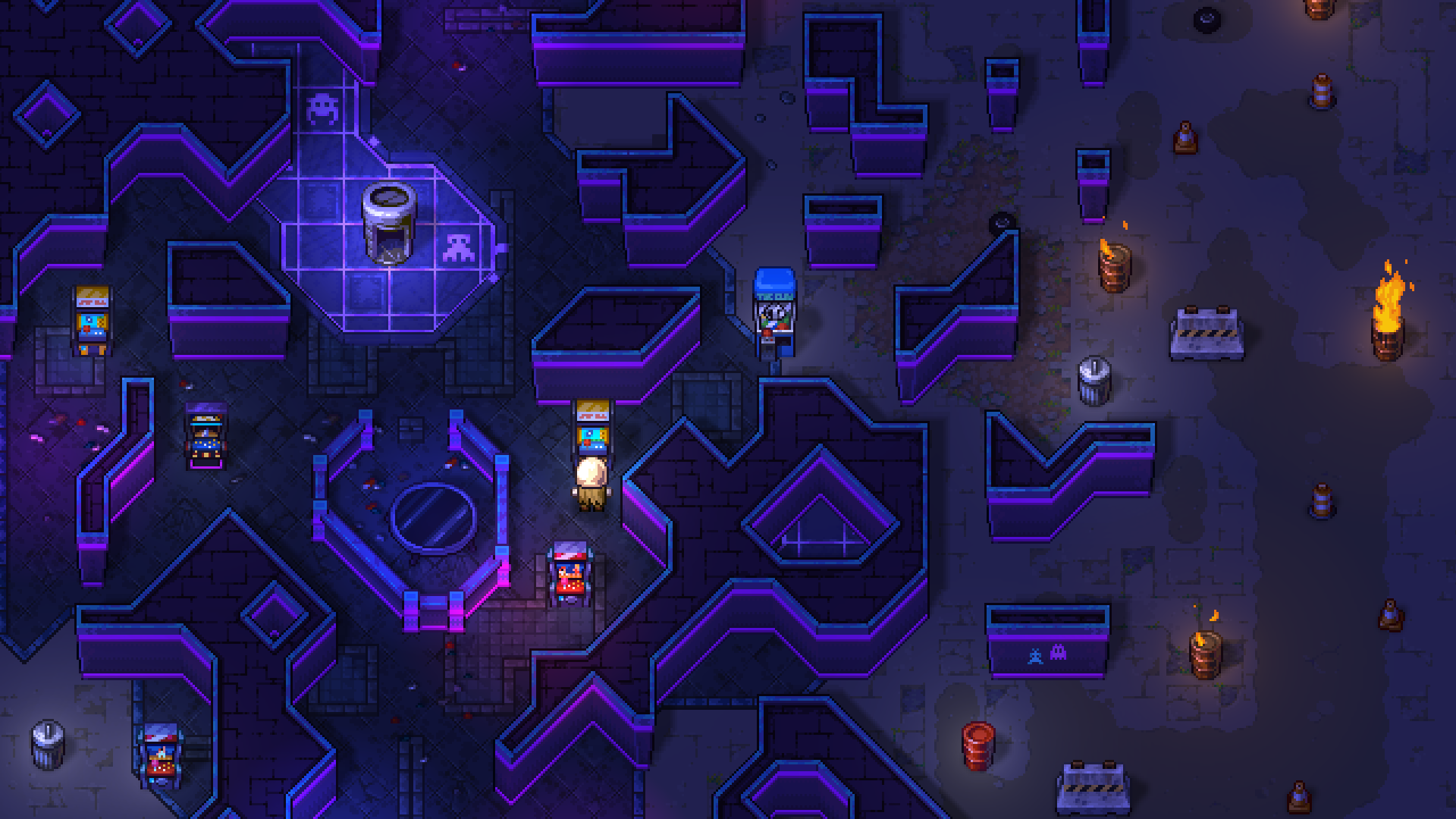 WHOA look at that, I just transformed it into the world's most chaotically constructed arcade! (No we wouldn't actually add a building that looked like this to the game, I just wanted to demonstrate how flexible our tile sets are.)

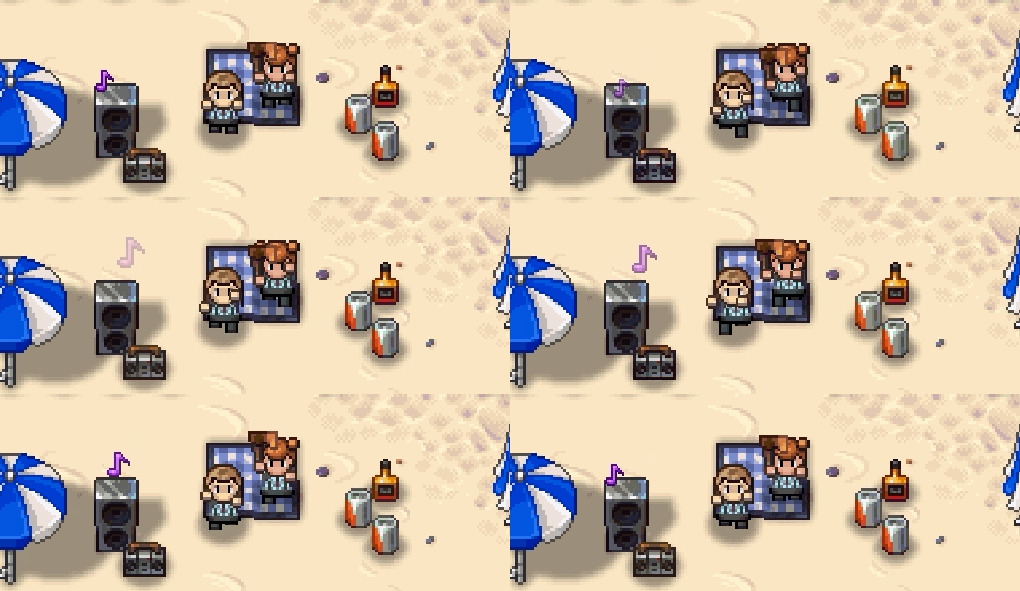
 You probably understand what balance is, but might ask, "Just what the hell does 'Design Implementation' mean exactly?" In short, it's about writing code for elements of the game's design that are not yet in the game. Example: Matt has designed a whole system of Mayors controlling cities across the world, and the player must take those guys (or gals!) down to gain influence and eventually attempt to topple the President. In order for the whole process to play out, however, you need to have all the elements in place: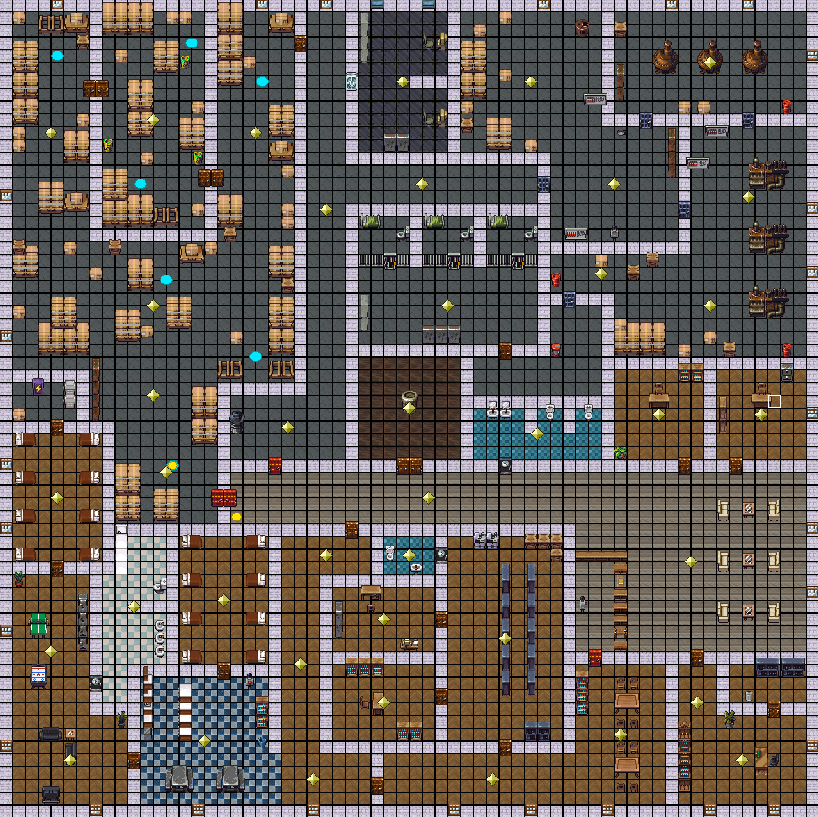
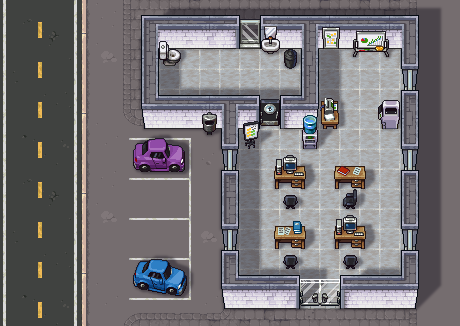 In the open world of SoR 2, regions are the largest form of measurement. Then there are chunks, and the smallest form is a tile. The smallest regions are comprised of 4x4 normal-sized chunks, while the largest are 16x16. A normal-sized chunk has 16x16 tiles, while the smallest has 8x8 tiles, and the largest has 64x64 tiles, making it the size of the smallest region. A greatly expanded version of the level editor from SoR 1 is used to create chunks.
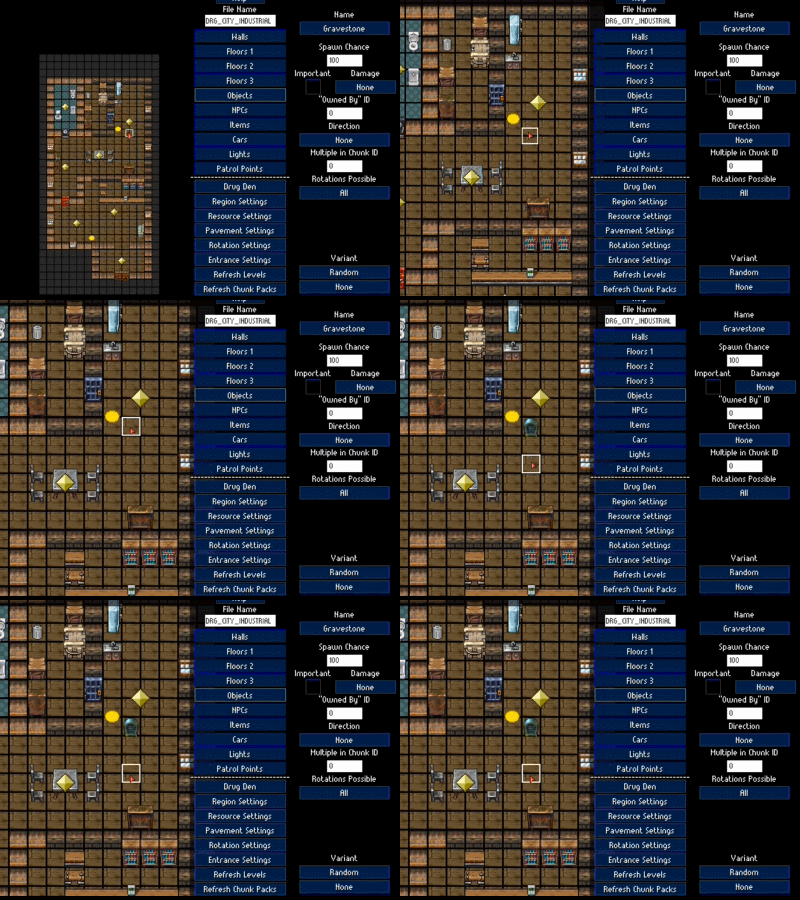 By the way, if you want to learn even more about how chunks are developed, check out this video devlog by Matt.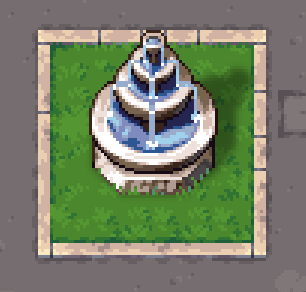
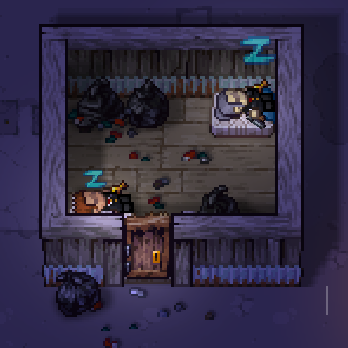
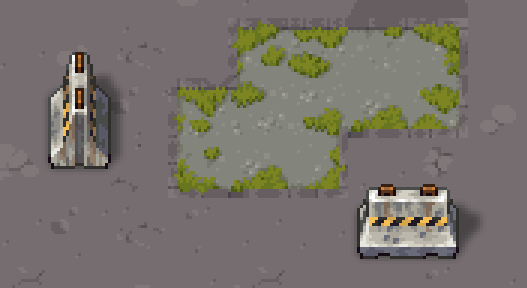
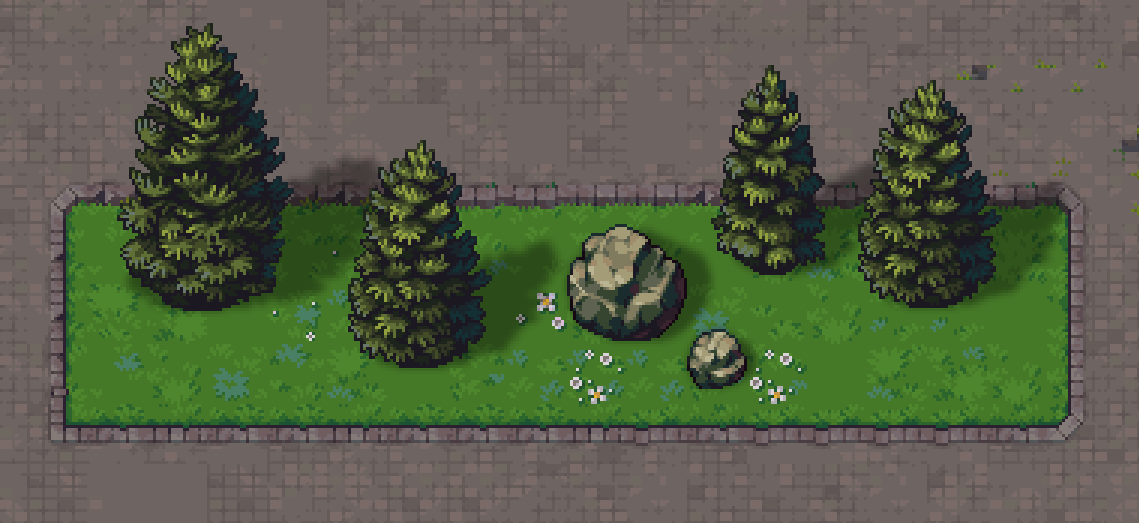
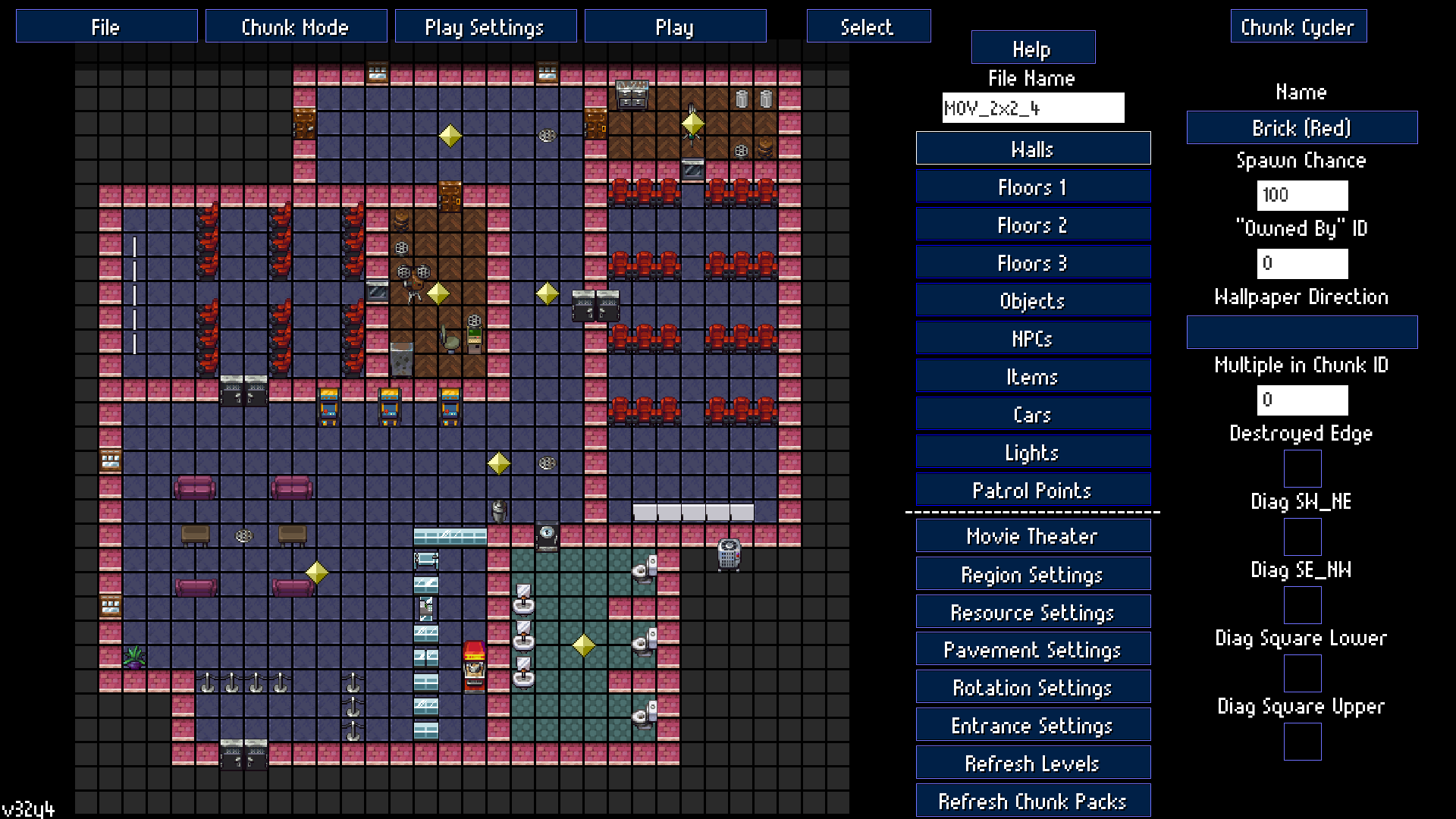
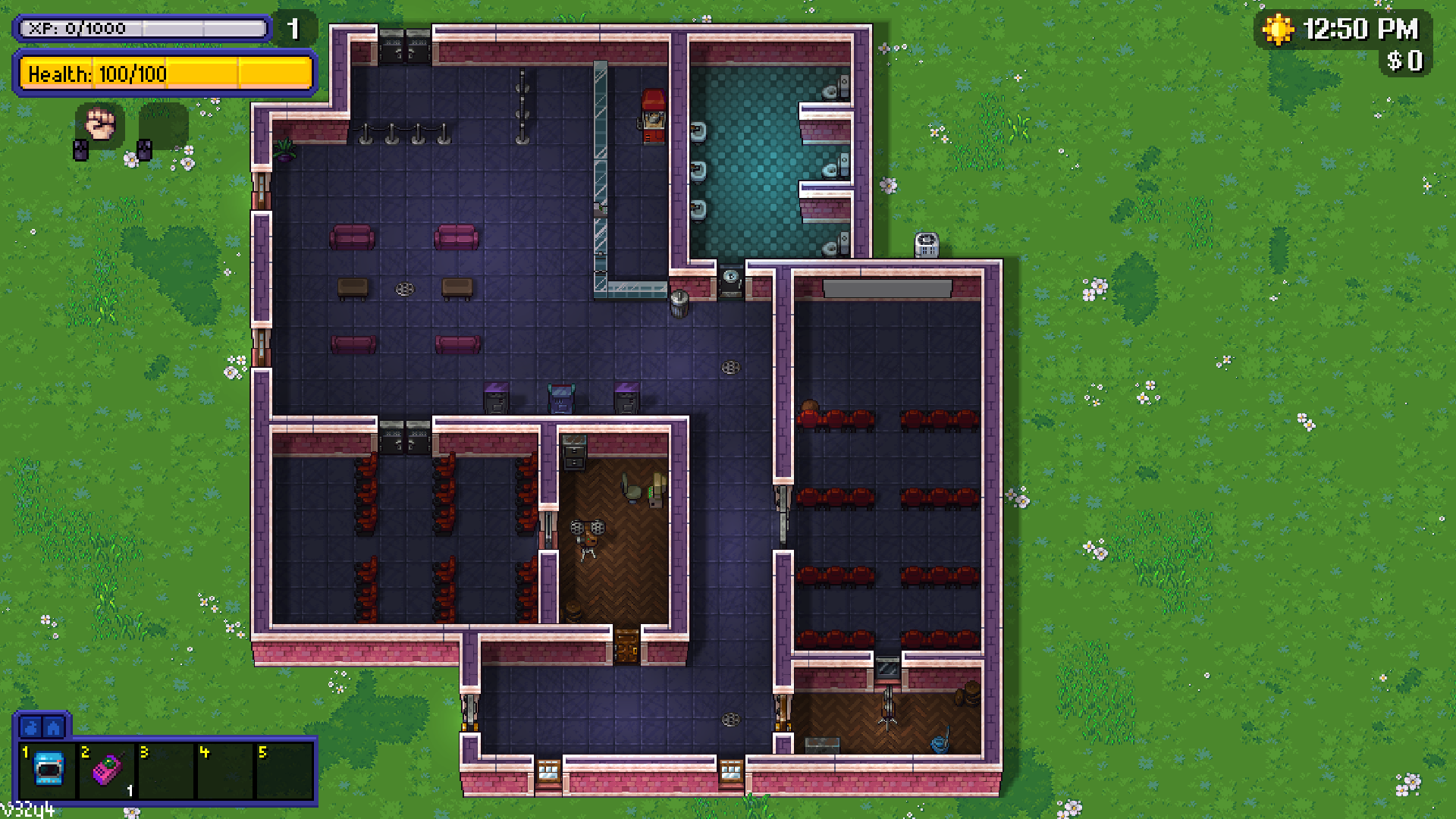
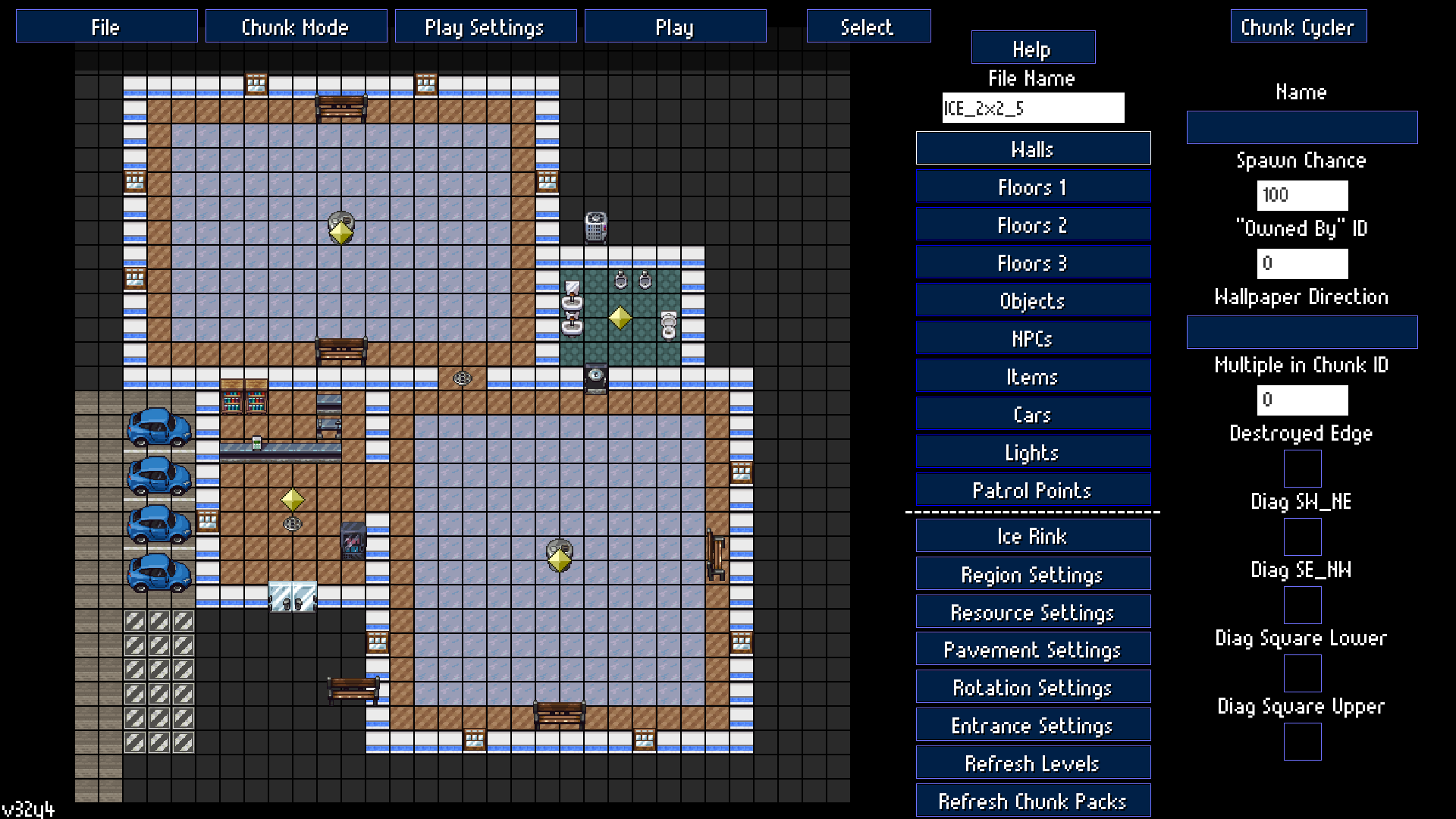
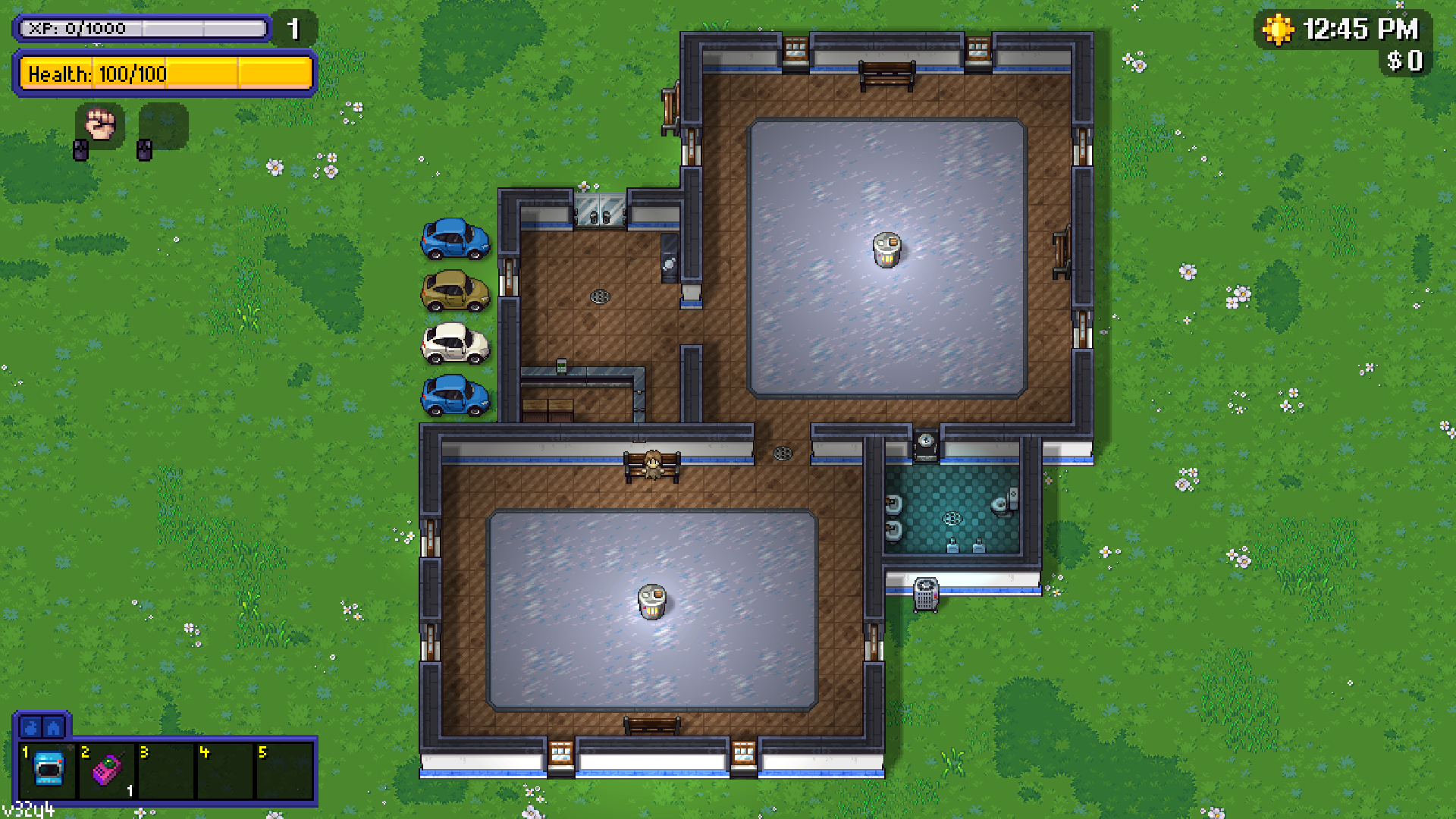
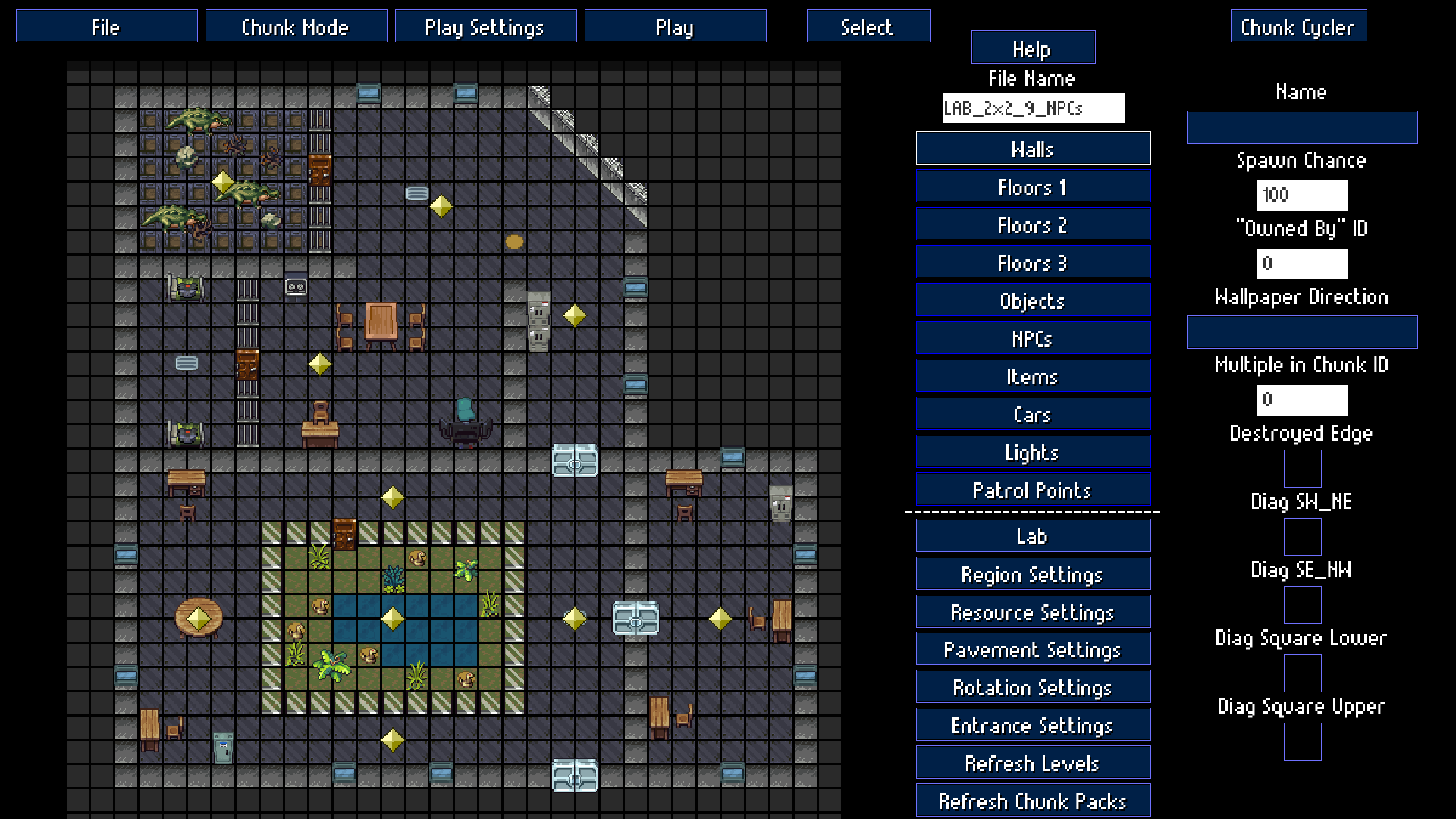
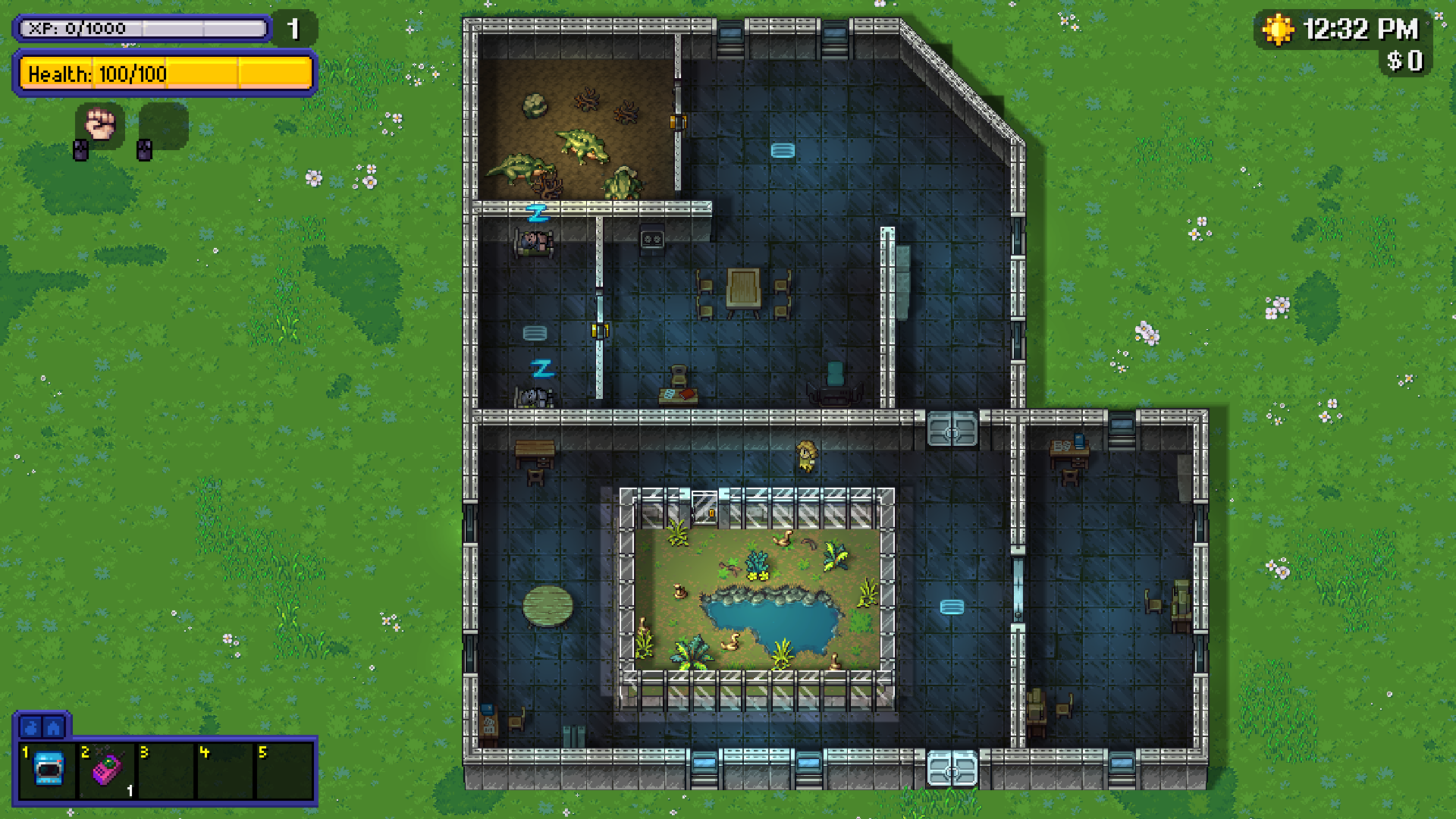
 Quality-of-life features like those I listed above help with the pace of pumping out chunks: One takes 10-15 minutes to cook, larger ones—up to an hour.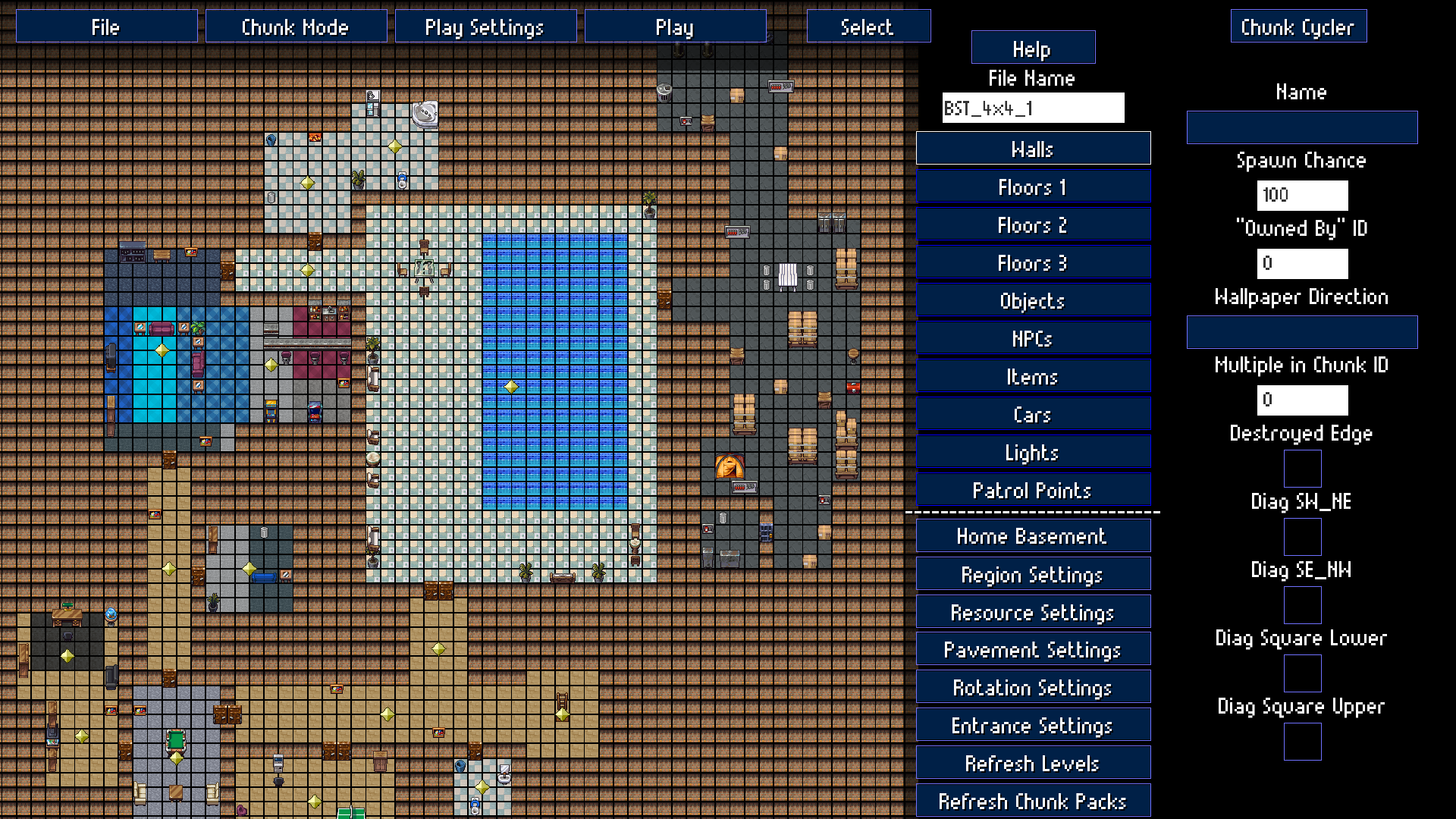
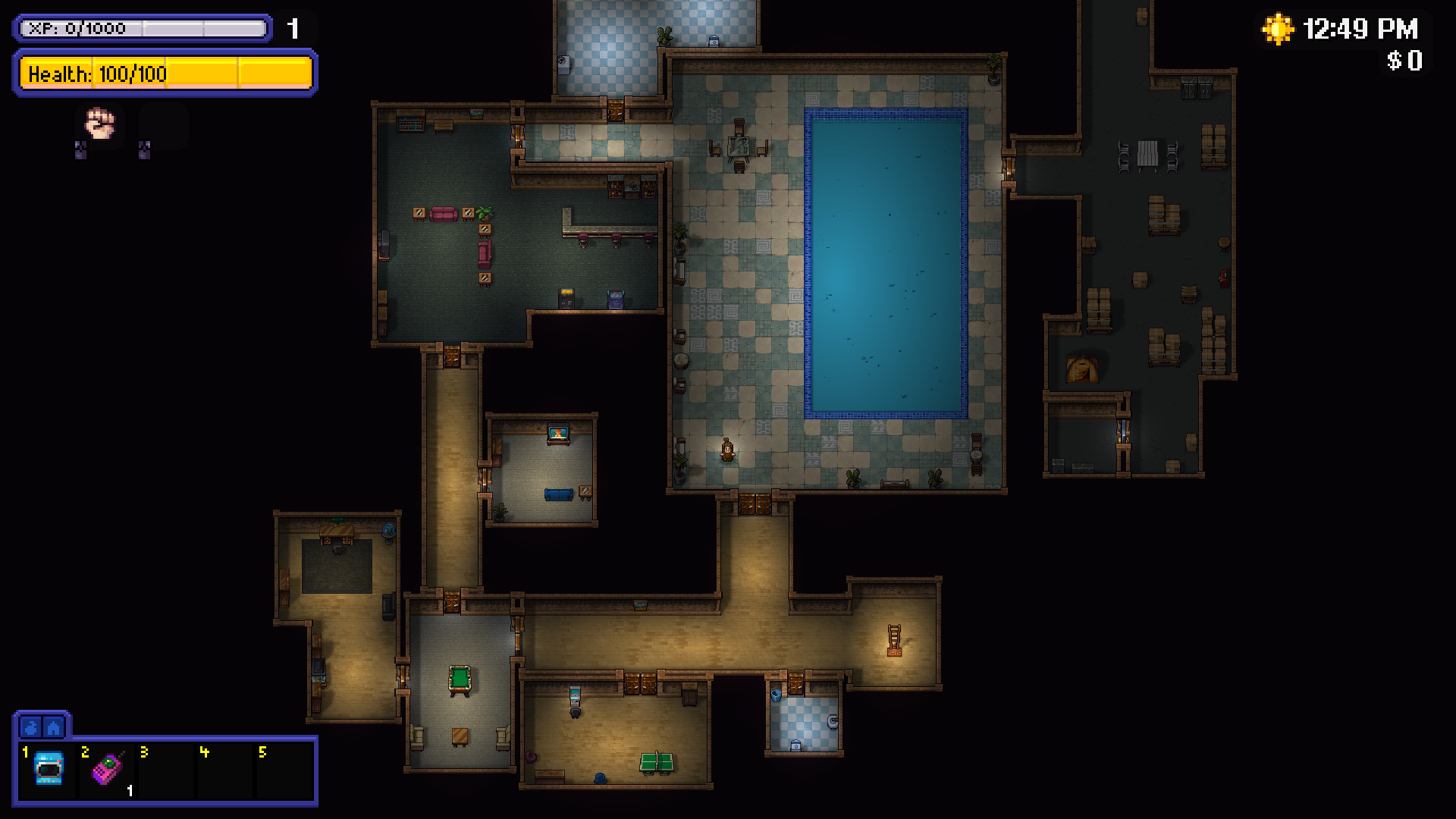
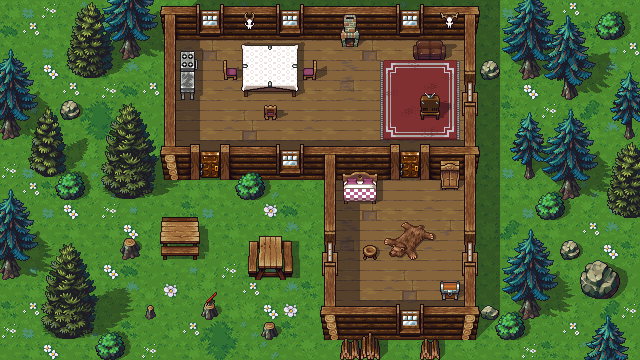
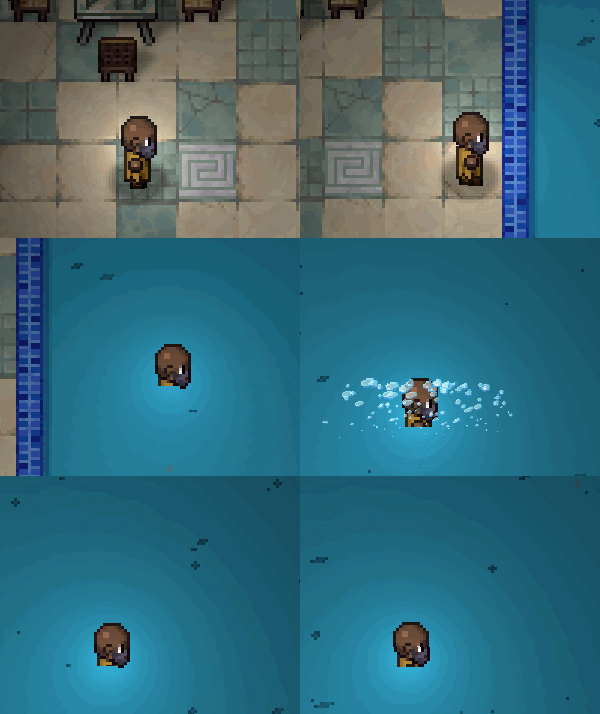 Having a swimming pool in your basement is some luxury sh*t, ngl.☝️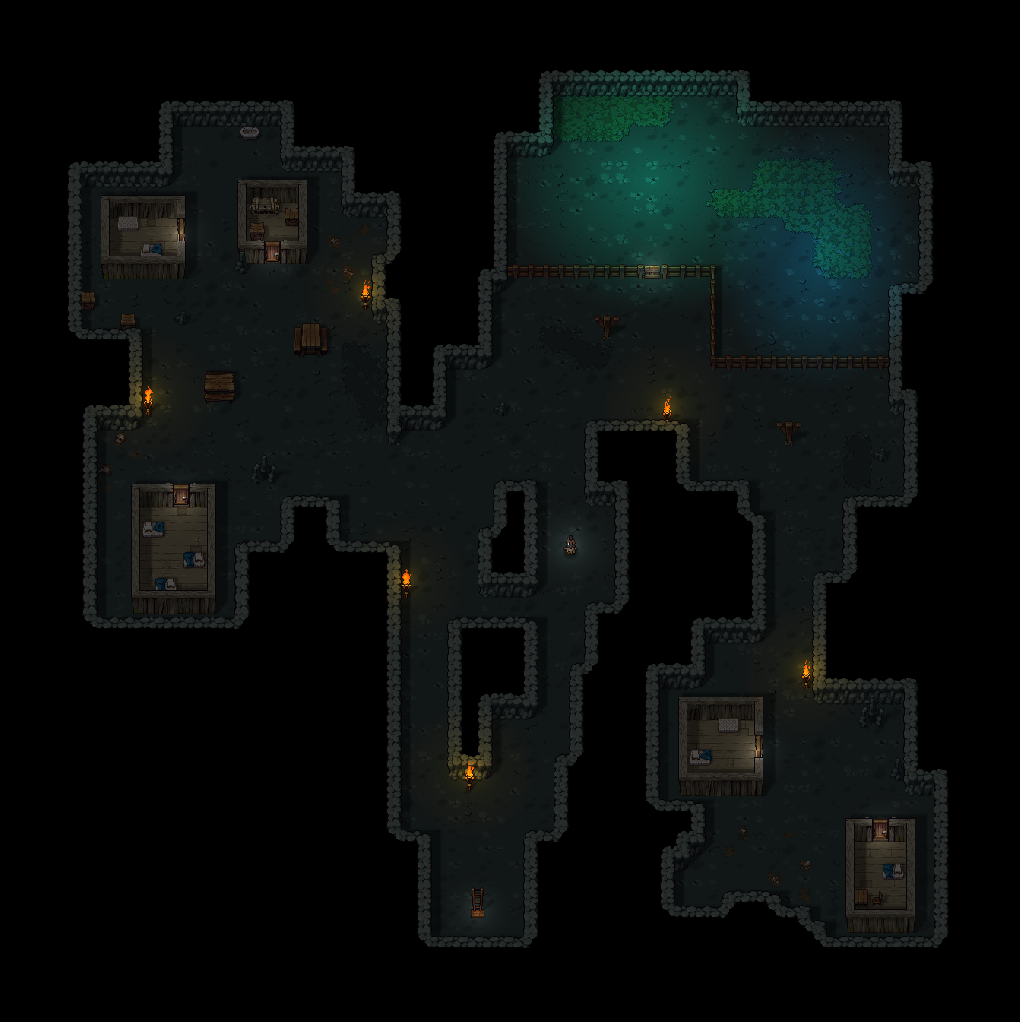
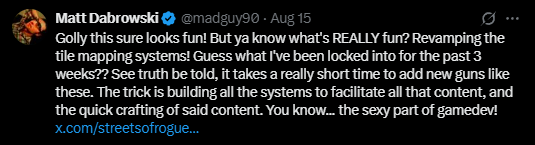 As you can see from this tweet, Matt's currently focused on better floor tile mixing and sorting out diagonal wall issues. As soon as that's in the books, he'll be working primarily on design Implementation and balance tasks. Following that, he'll be completing the local co-op mode. For more info, check out the game's Roadmap


 Loading

